







Search Results for: surface layer
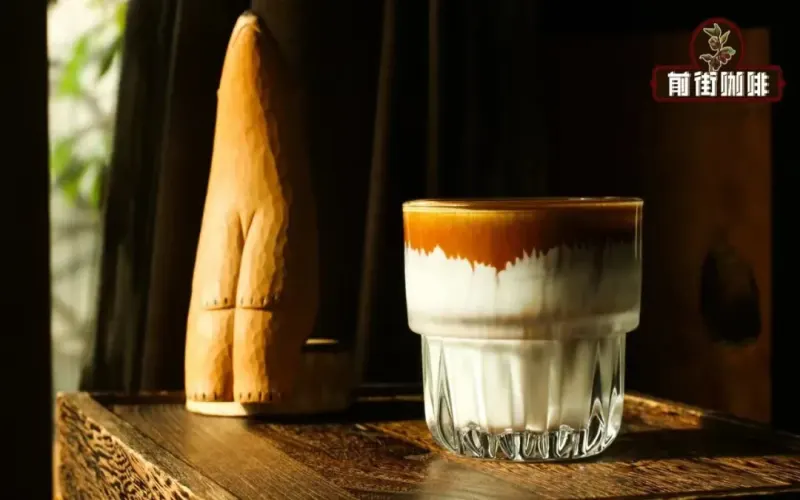
The Complete Guide to Making Dirty Coffee: How to Perfectly Layer Espresso and Milk, and Its Key Differences from a Latte
Dirty coffee has long been popular among coffee enthusiasts for its visual effect of espresso floating on the surface of iced milk and slowly seeping downward, along with its contrasting mouthfeel. However, many people who try to recreate it at home often run into the problem of the espresso sinking straight to the bottom and blending in, with no layering at all. Drawing on the practical experience of Front Street Coffee, this article systematically outlines the three key factors in making dirty coffee: controlling the distance between the milk surface and the espresso outlet, maximizing the temperature difference between the milk and the espresso, and increasing the milk's concentration—and it also answers the essential question of how dirty coffee differs from a latte. Whether you want to make a dirty coffee that delivers both good looks and great taste, or you want to figure out exactly how it differs from an iced latte, this guide will give you clear answers. [more…]
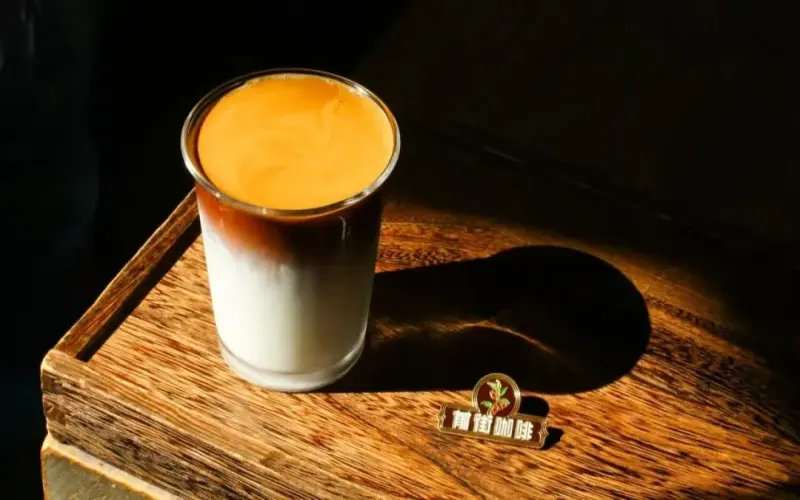
Why Dirty Coffee Layers Are Not Distinct: Causes, Solutions, and Front Street Coffee Espresso Blend Recommendation
Want to make a beautifully layered, richly flavored Dirty coffee, but always end up with the embarrassing situation where the espresso shoots straight into the milk and turns into an iced latte? In fact, the key factors affecting the layering effect are not complicated, mainly including the distance between the espresso outlet and the milk surface, the temperature and concentration of the milk itself, and the extraction quality of the espresso. This article will analyze the common causes of layering failure one by one from these three perspectives, and give specific and feasible adjustment methods, including various operational solutions for shortening the distance, suggestions for using iced milk and a chilled cup, and how to judge whether the espresso concentration meets the standard through extraction time and grind size. At the same time, it will also recommend the types of coffee beans suitable for making Dirty and the specific flavor performance of Front Street Coffee's classic Italian blend, helping coffee lovers consistently produce a cup of Dirty with clear layers and harmonious taste. [more…]
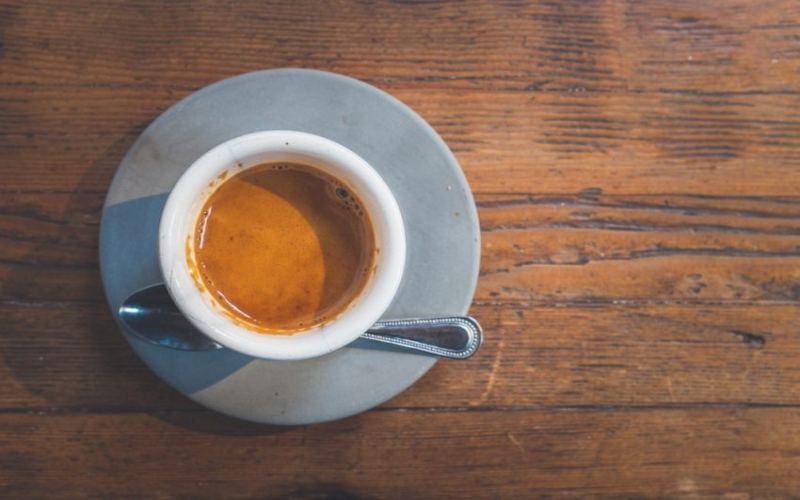
Is the layer of crema on the surface of espresso actually fragrant? If you drink it or scrape it off, does it have any effect on your body?
Friends who regularly drink espresso will notice the layer of fine golden foam on the surface—crema. Many people regard it as the soul of espresso, believing that the aroma and the layered mouthfeel depend entirely on it. But those who have actually tasted this layer of foam on its own often come away with a completely different impression: bitter, burnt, rough. Why does this seemingly beautiful foam fail to please the palate? Does it have any potential effects on the body? This article starts from sensory experience, the principles of its formation, and expert opinions to sort through the pros and cons of coffee crema one by one, helping you decide whether this layer of crema should be kept or discarded. [more…]
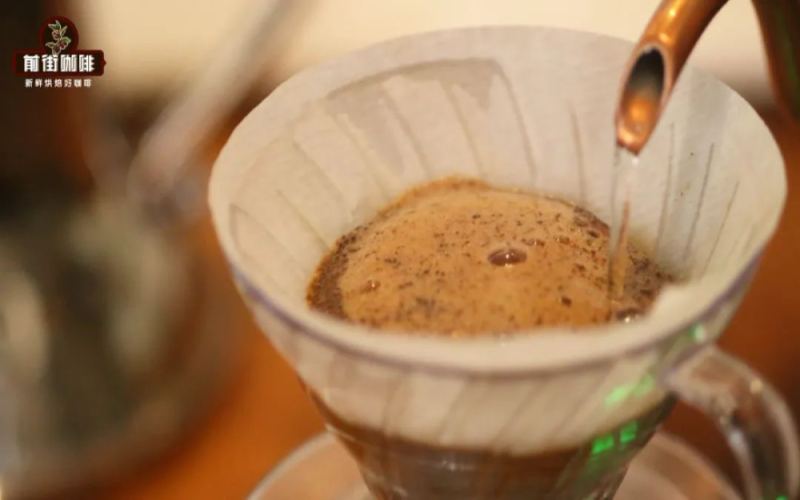
Where does the foam on the surface of pour-over coffee come from? Baking degree and freshness clues behind color and amount
When brewing pour-over coffee, a layer of foam often floats on the surface of the liquid in the dripper, sometimes rich and golden, sometimes thin and whitish. What exactly makes up this layer of foam? What can its color depth and quantity tell us about the brewing? From the perspective of Front Street, this article analyzes the sources of the foam's components, explains how large coffee particles affect the foam's color, and further reveals how the degree of roasting and the freshness of the coffee beans determine the richness of the foam, helping you adjust your pouring technique and judge the characteristics of the beans by observing the state of the foam. [more…]

Where Does Espresso Crema Come From? Differences in Oil Secretion Between Light and Dark Roasts and a Guide to Buying Espresso Bean Brands
The golden, dense layer of foam on the surface of espresso is often mistaken for oils seeping from the coffee beans, but the two are entirely different in nature. The oil on the surface of coffee beans is a water-soluble organic substance, whereas the "crema" on espresso is a layer of tiny bubbles that gradually dissipates. Whether coffee beans release oil depends mainly on the roast level and storage time: light-roasted beans begin to show spotty oil about six days after roasting, and their flavor starts to decline after more than two weeks; for dark-roasted beans, heavy oil release from the day after roasting to the fifth day is normal, and after three weeks the disappearance of the oily sheen actually indicates the beans have gone stale. Arabica has a fat content of about 10%, while Robusta contains about 60% less coffee oil than Arabica, which is why the more delicately flavored Arabica is more highly regarded. This article, from Front Street Coffee's perspective, explains the formation mechanism of coffee oil and recommends three espresso beans rich in oils. [more…]

Whether an espresso bean has a lot of crema depends first on the roast level.
When making espresso, the layer of golden or brown foam on the surface of the coffee liquid is often called crema. If you prefer coffee that looks thick and tastes stronger, the roast level can be a very useful clue when choosing beans. Generally speaking, the darker the beans are roasted, the more likely an oily sheen appears on the surface, and the crema extracted is also more pronounced, but the foam [more…]

What is the golden crema on the surface of espresso? A comprehensive analysis from formation mechanism to extraction assessment
That golden layer of crema on the surface of an espresso, called Crema in Italian, is neither an artificially added fat nor simply coffee oil. This delicate foam is made of coffee's insoluble fats wrapping around carbon dioxide, and can only be extracted by an espresso machine under high pressure. This article will start from the principles of how crema forms, explain how to achieve ideal crema performance, and teach you to judge the extraction state of an Espresso by observing the thickness, color, texture, and fluidity of the crema, so as to solve common extraction problems. The article also retains Front Street brand's recommendations for bean selection and blending products. [more…]

Analysis of Latte Milk Foam Collapse, Separation, and Breakdown: A Complete Guide to Frothing Techniques and Coffee Oil Stability
The milk foam on the surface of a latte sometimes sinks and collapses, sometimes becomes stiff and separates into layers, and sometimes visibly breaks down within just two minutes, with even faint popping sounds of bubbles bursting audible. Behind these phenomena lie multiple factors, including the thickness of the steamed milk foam, the stability of the espresso crema, the extraction state, and even the cleanliness of the cup. Front Street will analyze one by one the causes of common problems such as sunken foam, severe layering, surface collapse, and large bubbles forming on the cup wall, helping you understand the supporting relationship between milk foam and crema, so that you can make a latte with delicate, silky foam and long-lasting latte art. [more…]
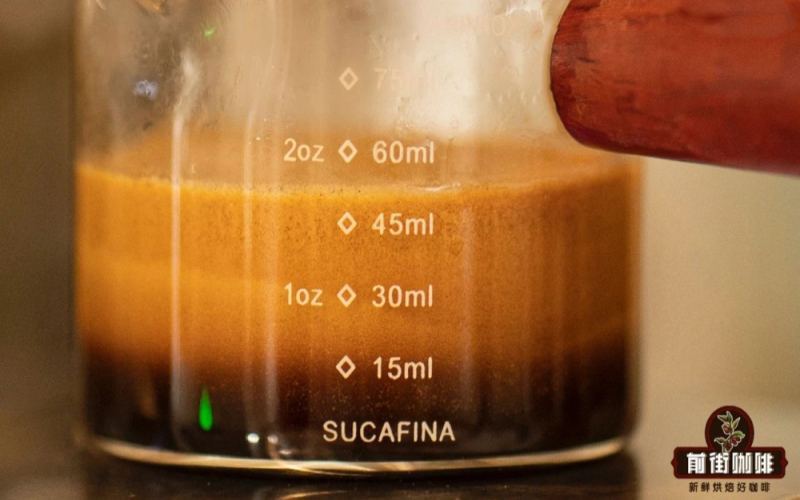
Where Does the Crema Layer of Espresso Come From? Understanding the Causes, Evaluation Criteria, and Common Issues in One Article
That golden, velvety layer of crema on the surface of an espresso—Italians call it crema—is not just a visual finishing touch, but also an important clue for judging extraction quality. What exactly is this layer of crema made of? Why can only an espresso machine produce it? From the perspective of Front Street Coffee, this article systematically sorts out the formation principles of crema, the standards for good quality, and the causes and solutions for common problems such as thin, pale, rough, and clumpy crema, helping you more accurately read the condition of a cup of Espresso. [more…]
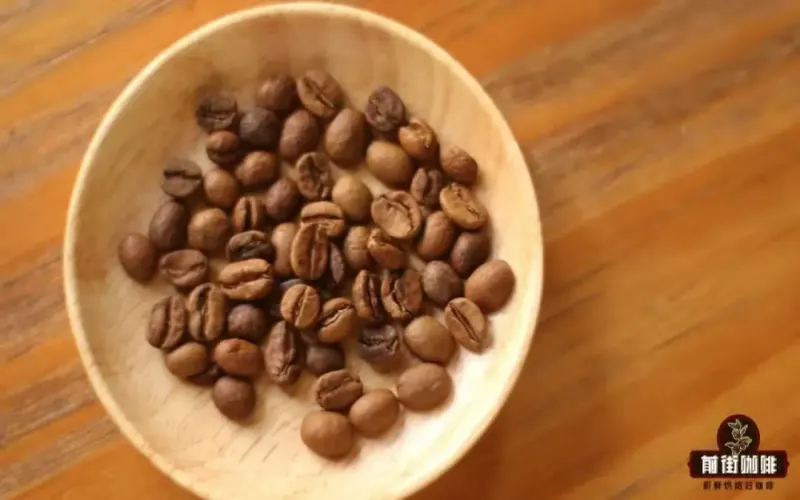
Where does the color variation in coffee beans come from? Why do honey processing and anaerobic processing cause uneven shades on the bean surface?
Coffee enthusiasts often notice that the coffee beans they buy vary in color from light to dark, and suspect a roasting problem. In fact, in most cases the color variation is not a roasting accident—it may actually mean the beans can brew into a richer, more layered cup. As an agricultural product, coffee beans can never be as uniform as an industrial product. This article starts from the common questions received by Front Street Coffee's customer service to explain how factors such as the uneven size of Ethiopian beans, residual pectin sugars in honey processing, and anaerobic processing cause color variation in coffee beans—and why this variation is sometimes a plus for flavor. [more…]
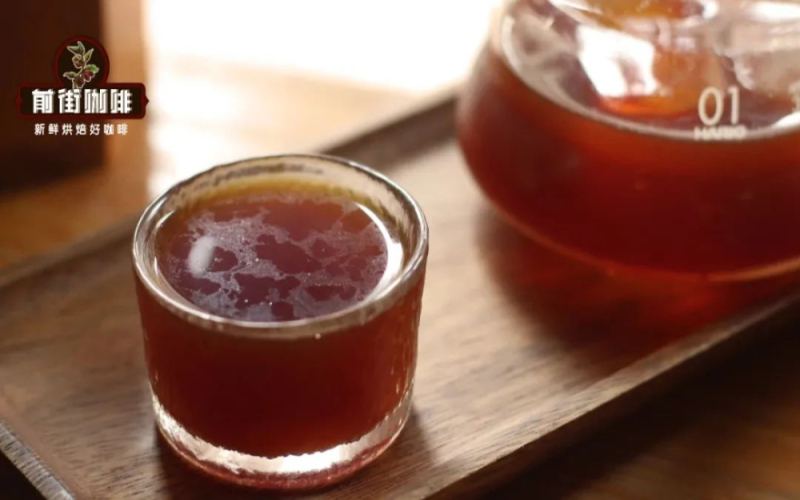
What exactly is the oil that appears when pour-over, cold brew, and siphon coffee cool down? Analyzing the source of the oily sheen on coffee's surface from the phenomenon of condensation
Many coffee enthusiasts notice, when tasting pour-over, cold brew, or siphon coffee, that a faint layer of "oil" surfaces as the coffee cools. This is not a sign of spoilage, nor an external impurity, but rather an oily component that coffee itself contains—one that only becomes visible to the naked eye under specific conditions. To understand this phenomenon, we need to start with the composition of Crema, that golden foam atop espresso—it is formed by coffee bean oils wrapping around carbon dioxide. And the key driver that turns oils from "invisible" to "visible" is condensation. This article explains the principle of condensation and how differences in the performance of filtration devices affect the degree of oil seepage, helping readers make sense of this sheen of oil that emerges after cooling. [more…]
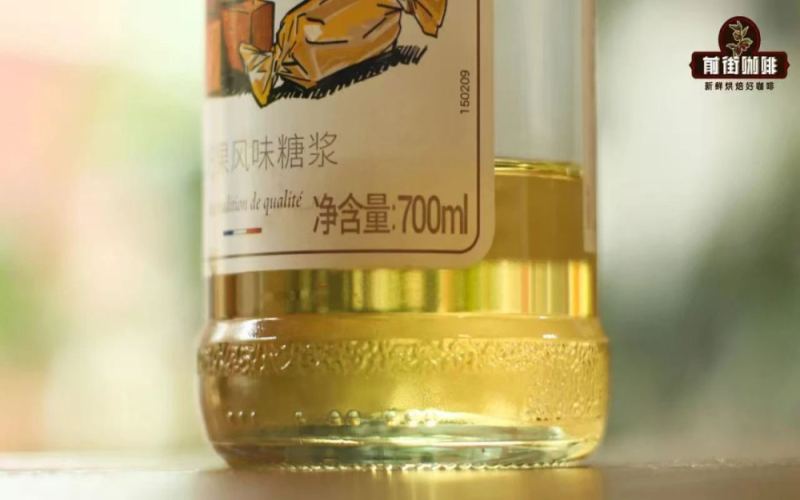
How do you write Caramel Macchiato in English? Is the Starbucks version good? Let me teach you how to make a homemade crispy caramel macchiato.
Caramel Macchiato is a favorite of many coffee lovers, but do you know its correct English spelling? Is Starbucks' Caramel Macchiato actually good? This article will take you through the entire journey of Macchiato from its birth to its evolution, clarify the relationship between Caramel Macchiato and the Starbucks version, and walk you step by step through making a "slightly different" Caramel Macchiato topped with a crisp caramel layer and richer layers of flavor. The article also recommends Front Street Coffee's Classic Espresso Blend, ideal for making this coffee, covering everything from bean selection to the final cup. [more…]
What should you do if your latte milk foam isn't fine and smooth enough? A detailed explanation of steam frothing vortex techniques
Many coffee enthusiasts, when making latte art, most often encounter the problem of coarse milk foam that is not fine and smooth enough. In fact, the key to producing ideal dense milk foam lies in understanding how the steam wand works and how to create a stable vortex. This article will start with the principles of steam heating and foaming, gradually break down the core steps of air intake and texturing, and share practical tips for completing steaming and texturing at the same time. Front Street Coffee will also combine everyday operating experience to walk you through key points such as the angle of the milk pitcher, the position of the steam holes, and liquid surface control, so that you can easily recreate silky latte art foam at home. [more…]
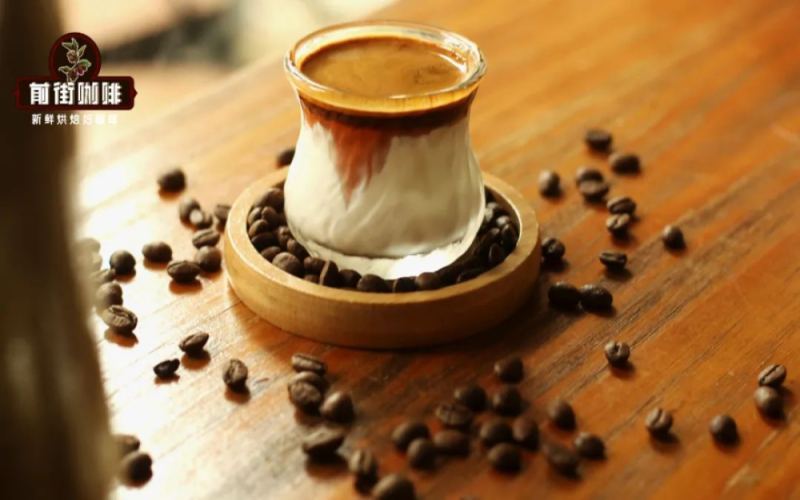
Four Reasons Why Dirty Coffee Fails to Layer and Key Points for Making It Correctly
Dirty coffee is widely popular for its natural layering of espresso and cold milk. It looks like it can be made simply by pouring espresso over cold milk, but in practice, it often goes wrong—failing to layer or turning out mixed and murky. Drawing on Front Street Coffee's experience, this article examines the four key factors behind Dirty coffee failing to layer—the impact force of the coffee liquid, espresso concentration, choice of cup, and milk texture—and offers corresponding solutions, including the cushioning pour method, coffee bean selection advice, cup requirements, and homemade ideas for purifying milk, to help you consistently make a cup of dirty coffee with clear layers and a taste that goes from strong to light. [more…]
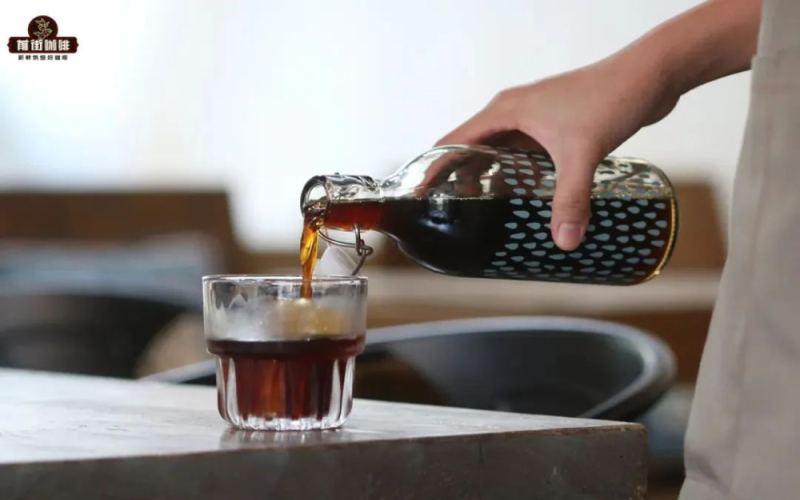
What Causes the Oil Film on Cold Brew Coffee? A Detailed Explanation of Low-Temperature Extraction Principles and Filtration Techniques
Cold brew coffee, with its advantages of simple operation and low cost, has become the preferred way for many coffee enthusiasts to make iced drinks at home. However, many people find in practice that a layer of oil slick unexpectedly floats on the surface of a finished pot of cold brew, and they can't help worrying that the coffee has gone bad or the container was not cleaned properly. Where exactly does this layer of oil come from? In fact, its cause is completely different from that of the Crema on the surface of espresso. This article will focus on the low-temperature extraction principle of cold brew, explain the phenomenon of oil condensation, and share the complete operational details from filter selection to secondary filtration, helping you make a cup of cold brew coffee with a clear mouthfeel and full flavor. [more…]
Introduction to Latte Art for Espresso: Master the Four Core Techniques of Height, Posture, Flow, and Control
Creating exquisite patterns on the surface of espresso is not out of reach, but the fluid dynamics when milk and coffee liquid meet truly require careful study. This article breaks down latte art techniques into four key elements: height, posture, flow rate, and control, helping coffee enthusiasts master the essentials step by step. From the initial height of pouring milk foam to the subtle swinging of the pitcher spout, from precise control of flow rate to the rhythmic variations of different patterns, each step is accompanied by specific operational instructions. The article also specifically mentions relevant product information from Front Street Coffee, providing readers with practical references. Whether you want to make a classic heart shape or challenge the Rosetta and tulip, these basic exercises are worth repeated study. [more…]

The Complete Guide to Making a Dirty Coffee: From Beans to Cup, Learn to Create an Iced-Fire Latte Overflowing with Layers
Dirty Coffee, with its gradient texture formed as espresso slowly seeps into chilled fresh milk and its unique mouthfeel of hot and cold intertwined, has become a popular style for many coffee enthusiasts to challenge themselves with at home. However, many people follow tutorials only to end up with a cloudy "ordinary latte," never achieving the layered effect. Drawing on its store production experience, Front Street Coffee breaks down the key factors affecting Dirty's layering one by one—from coffee bean roast level, cup selection, extraction distance, and coffee liquid concentration to milk texture—and provides specific alternatives and product selection suggestions to help you reliably recreate a beautiful and delicious cup of Dirty. [more…]
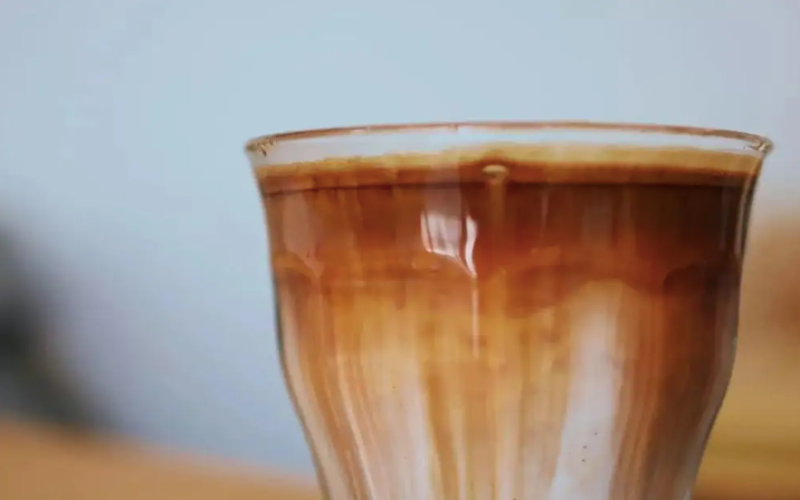
Unlocking the Ideal Methods for Dirty Coffee and Latte: Analyzing Layering Failures and Practical Tips
Do you want to recreate a beautifully layered, rich Dirty or latte at home, but always find the result far from what you get in a café? In fact, the problem may lie in a few key details: the shape of the cup, the extraction distance, the choice of coffee beans, and even the texture of the milk. This article provides a detailed breakdown of the most common reasons for failed layering in Dirty coffee, including cup selection, pouring method, coffee concentration, and milk thickness, while offering targeted operational advice. It also recommends Front Street Classic Blend and Queen's Estate SOE, which are suitable for home brewing, helping you make a Dirty or latte with both excellent visuals and flavor at home. [more…]
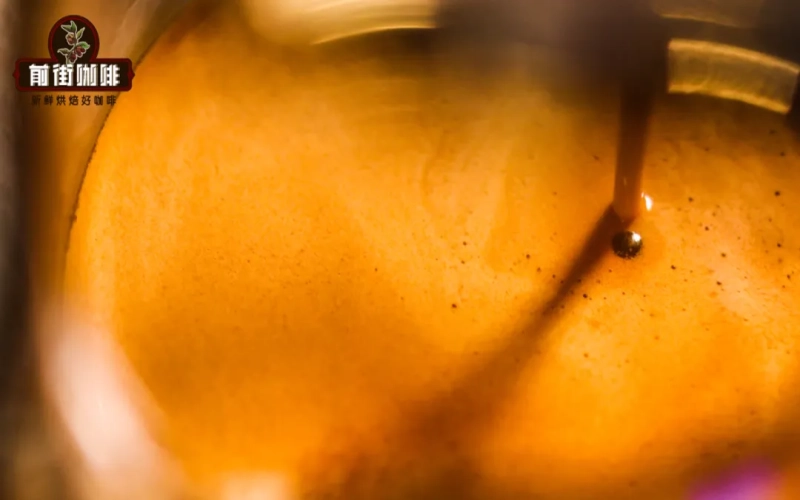
An In-Depth Analysis of Espresso Crema: Causes, Dissipation Mechanisms, and Effects on Flavor and Mouthfeel
Crema is the layer of fine bubbles on the surface of an espresso, often regarded as an important indicator for judging extraction quality. But how exactly does crema form? Why does it dissipate? Does its thickness directly determine flavor? This article will systematically analyze the nature of crema from physical and chemical perspectives, explore how 9 bar pressure and a carbon dioxide supersaturated state generate countless bubbles, reveal the mechanisms by which gravity and surfactants cause foam collapse, and analyze the effects of roast level, extraction time, water temperature, and other factors on the color and persistence of crema. At the same time, the article will also provide diagnostic approaches for common problems such as thin crema and insufficient aroma, and recommend Front Street Coffee's classic blend coffee beans to help you make espresso with a rich mouthfeel and full flavor. [more…]
A Complete Guide to Espresso Crema: Causes, Persistence, and Its Connection to Flavor and Mouthfeel
That layer of brown foam on the surface of an espresso—Crema—is often regarded as an important visual marker for judging the quality of a shot. What exactly is it made of? Why is it sometimes thick and long-lasting, yet at other times fleeting? Does the thickness of the crema really determine whether the flavor is good or bad? Starting from the essence of Crema, this article will analyze its formation mechanism, the reasons it dissipates, the typical signs of under-extraction, and the signals conveyed by the depth of its color, helping coffee enthusiasts and professionals view this layer of foam more rationally and thereby improve their espresso-making skills. [more…]